Picking the Right Roofing Materials: Industry Knowledge From the Team at Premier Roofing & Exteriors
Choosing the ideal roofing materials can substantially impact a home's aesthetic appeal and durability. Premier Roofing & Exteriors showcases numerous options, including clay tiles, asphalt shingles, and metal roofing, each providing unique advantages. Factors such as climate and architectural style are essential factors in this choice. Understanding the long-term value of quality materials is important, yet many homeowners neglect key factors that can impact their selections. What key factors should they evaluate next?
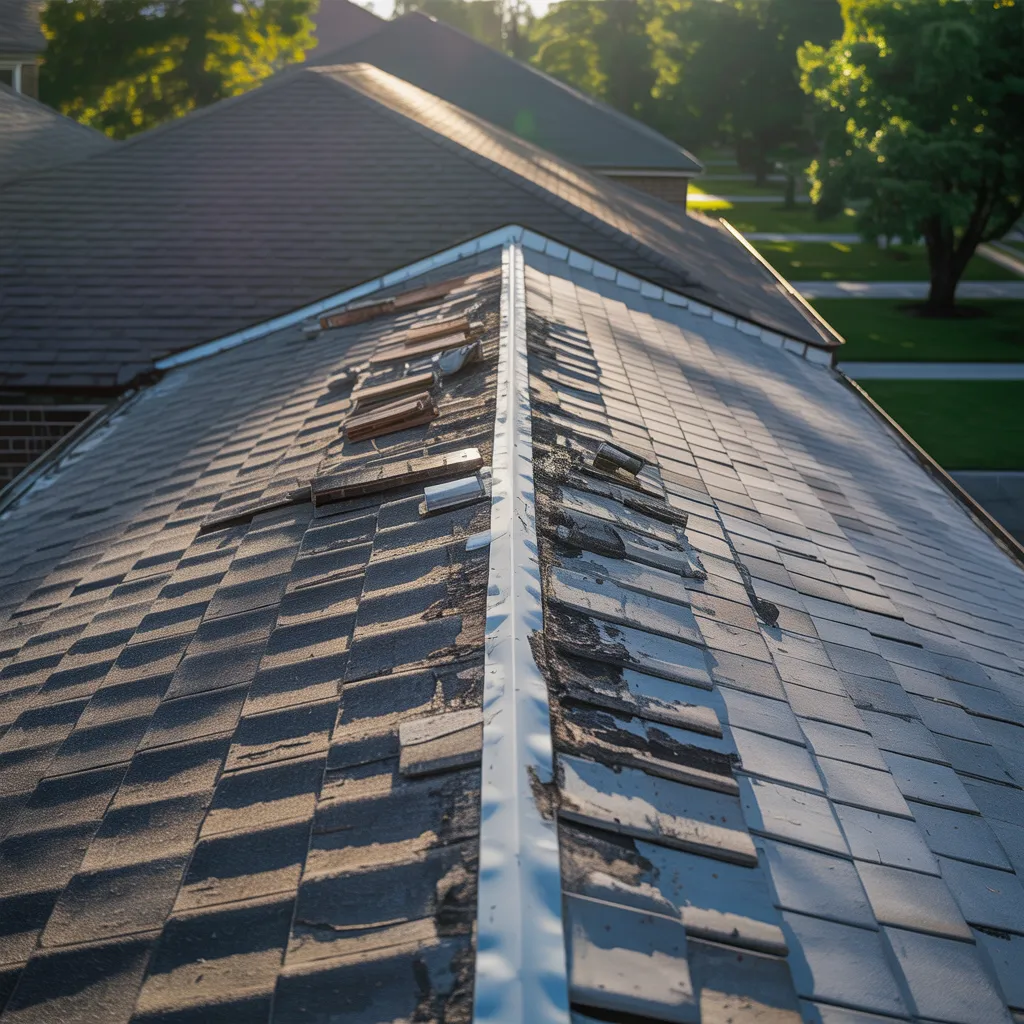
Understanding Different Roofing Materials
When selecting roofing materials, what should homeowners take into account? Numerous options are available, each offering different qualities, strengths, and weaknesses. Asphalt shingles are popular for their affordability and ease of installation, making them a frequently selected option for numerous home projects. Metal roofing, known for its durability and energy efficiency, attracts homeowners looking for lasting performance and lower cooling expenses. Clay and concrete tiles provide visual charm and are capable of enduring diverse weather conditions, yet they are typically bulkier and higher in price. Wood shakes offer organic visual appeal but necessitate routine care to guard against rot. Homeowners should additionally evaluate regional weather conditions, home design, and financial limitations. Ultimately, the choice of roofing material should align with personal preferences and practical needs, maintaining an equilibrium between practicality and visual attractiveness while increasing the property's long-term value.
How to Measure Durability and Longevity
Assessing durability and longevity in roofing materials is essential for homeowners looking to make a wise investment. To determine these factors, one should examine the material's ability to withstand weather conditions such as wind, rain, and hail. For instance, metal roofs frequently surpass asphalt shingles in terms of lifespan, commonly enduring over 50 years when properly maintained.
Another important consideration is the manufacturer's guarantee, which can provide insights into anticipated longevity and resilience. Homeowners should also examine the surrounding environmental conditions, as some materials tend to perform more effectively in particular settings. For example, clay tiles are capable of enduring severe temperature fluctuations, positioning them as an excellent option for regions with higher temperatures.
Additionally, consulting professional assessments and reviews can help in assessing performance history. In the end, selecting materials that match both local requirements and individual preferences ensures a long-lasting roofing solution that safeguards homes for many years.
Cost vs. Value in Roofing
Comprehending the connection between cost and quality in roofing materials is crucial to making informed decisions. Residents often confront the dilemma of weighing initial costs against long-term advantages. While lower-cost materials may minimize starting costs, they may be deficient in durability and demand more frequent substitutions, in the end driving up total expenses. In contrast, selecting higher-grade materials can generate substantial savings in the long run through improved Roofing Fort Wayne durability and lower upkeep requirements.
Value further incorporates considerations such as energy efficiency and aesthetic appeal. Better-insulated roofs can reduce energy costs, delivering a return on investment that goes beyond the upfront cost. Moreover, a visually striking roof can increase a home's overall market worth. As a result, assessing roofing choices should go beyond price and take into account long-term benefits and possible savings. In the end, a thorough analysis of cost versus value will guide homeowners toward more rewarding roofing selections.
Selecting the Best Roofing Style for Your Home's Architecture
How do homeowners make certain their roofing style aligns with their home's architectural design? Selecting the right roofing style is fundamental for achieving aesthetic harmony and enhancing curb appeal. Homeowners ought to begin by evaluating their home's architectural style. As an example, a contemporary home typically complements flat or low-slope roofs, whereas classic styles such as Colonial or Victorian are enhanced by gable or hip roofs.
In addition, the local environment is a key factor. Properties near the coast might select materials designed to resist salt and moisture, while those in colder regions may need roofs constructed to dispel snow efficiently. Harmonizing colors is just as significant; a roof should coordinate with the exterior palette to produce a seamless visual effect. Engaging with architectural advisors or industry experts can deliver meaningful recommendations, confirming that the chosen roofing style not only suits personal aesthetic choices but also maintains the architectural authenticity of the residence.
Maintenance Tips for Your Chosen Roofing Material
Proper maintenance of roof components is critical for extending their lifespan and ensuring peak performance. Homeowners should conduct periodic evaluations, ideally twice a year, to identify underlying concerns such as compromised shingles or accumulated waste. Maintaining gutters and drainage outlets reduces the risk of water damage while encouraging adequate water flow. For asphalt shingles, maintaining adequate ventilation can mitigate heat buildup, which may result in premature wear. Metal roofs demand periodic checks for rust or loose fasteners, while ceramic roofing should be examined for cracked tiles.
Furthermore, keeping trees trimmed away from the roof helps prevent falling branches and curtails moss or algae growth. When necessary, timely repairs should be carried out to stop minor issues from worsening. Ultimately, enlisting a professional for periodic maintenance or inspection can provide expert insights and guarantee that the roofing material remains in excellent condition, contributing to the home's overall value and safety.
Common Questions and Answers
What Are the Environmental Impacts of Different Roofing Materials?
Roofing materials differ significantly in their environmental effects. Asphalt shingles are a major source of landfill waste, whereas metal roofs offer full recyclability. Green roofs deliver significant insulation properties, however their installation process tends to be resource-demanding, highlighting the need for careful selection.
How Do Weather Conditions Impact Roofing Material Performance?
Environmental weather factors greatly affect how roofing materials perform. Intense heat or cold can trigger expansion or contraction, while heavy rain or snow can lead to leaks. Wind may lift or damage materials, compromising their overall durability and performance over time.
Is It Possible to Install New Roofing Over Existing Materials?
That's correct, it is possible to install new roofing over current materials, so long as the structure remains sound and local codes are in compliance. This approach can reduce both time and expenses, but proper assessment is essential to guarantee durability.
What Are the Typical Warranties Offered for Roofing Materials?
Typical warranties for roofing materials consist of manufacturer warranties, generally protecting against defects for 20 to 50 years, and workmanship warranties, covering periods of one to ten years, based on the contractor selected, guaranteeing quality installation and reliable material performance.
How to Choose a Reliable Roofing Contractor
To choose a reliable roofing professional, homeowners should look into reviews, verify licenses and insurance, ask for detailed estimates, and ensure clear communication. Direct referrals and checking past work can also enhance trust in the contractor's skills.